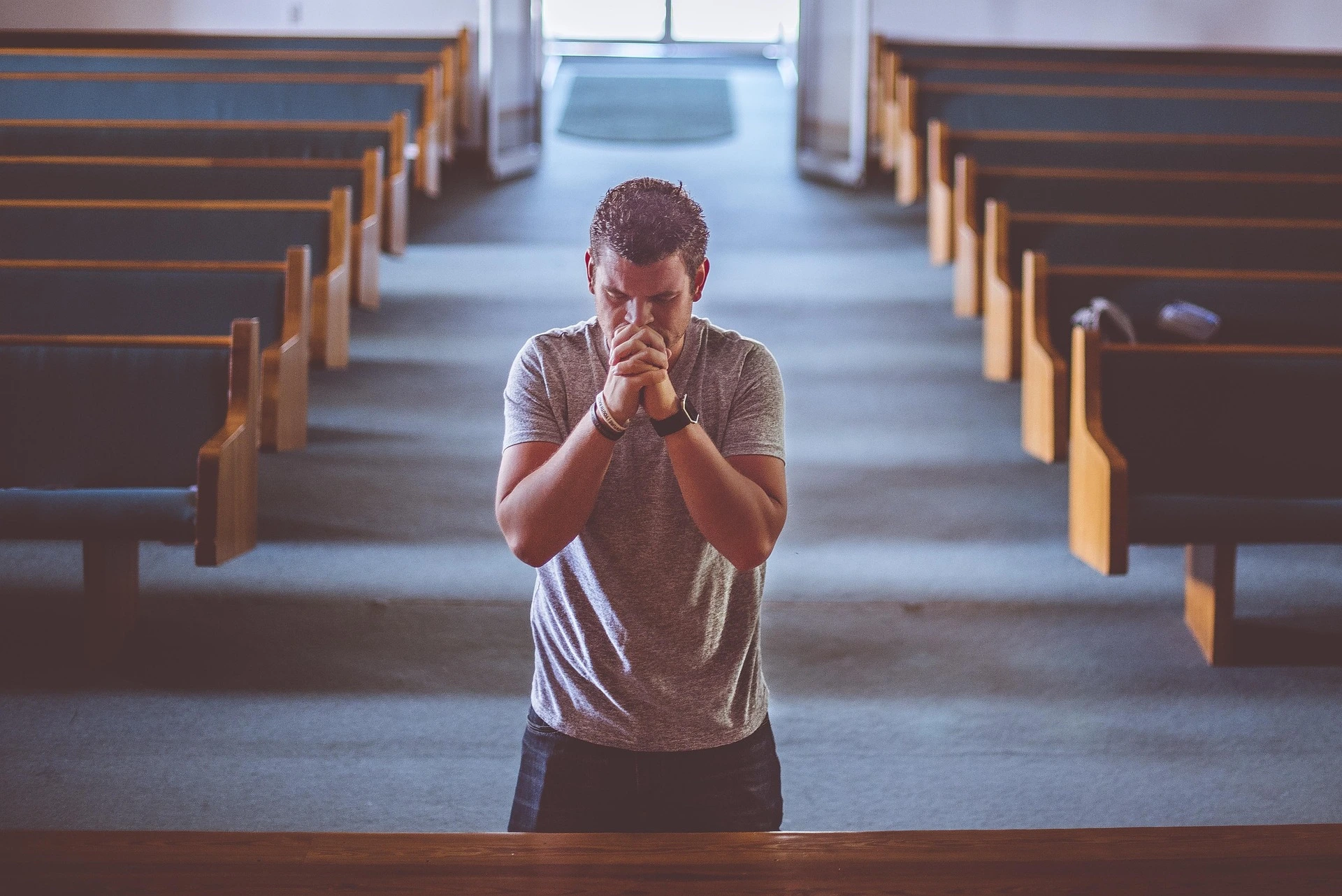

Acceptance and Hope

Acceptance and Hope
“Serenity comes when you trade expectations for acceptance.”
— Buddha
Understanding Acceptance Through Buddhism
I started searching which of the Four Noble Truths preached by Gautam Buddha refer to acceptance. While all of them do in a sense, the one that appears to have ‘acceptance’ as its very foundation is the third truth, i.e., Nirodha, which means ‘Suffering can be overcome’.
It goes on to suggest that the same can be achieved by ending the causes (craving/expectations), letting go of your desires, and accepting reality.
Spirituality advises acceptance as a way of ending suffering, or a way to achieve everlasting peace and thus the very way of life. If suffering is the result of expecting things to be different from how they are, acceptance is to remove that expectation itself.
Accept things as they are.
Is Acceptance Always Practical?
In the real world, it would appear easier said than done. One would wonder if this advice is even practical.
For a person who is economically weaker and is struggling for even subsistence, how does it help to advise accepting reality? Should he or she not expect the position to improve?
For a person who is recovering from a break-up in a relationship, grieving is a part of the healing process. Acceptance comes in the way of grieving, in a manner of saying.
The self-help books would rather suggest you use your subconscious mind to believe in a different possibility than your current reality. Even the Bhagavad Gita considers the Path of Action (Karma Yog) as superior to the Path of Knowledge (Gyan Yog).
They say, “God helps those who help themselves,” which therefore encourages taking action rather than just accepting the status quo.
Acceptance Versus Action
Should one then consider an attempt to bring a change as going against acceptance and thus invite friction and suffering?
None of the innovations, inventions, or discoveries in the world would have happened if one had just resorted to acceptance.
Ask a person in love who is either yet to confess, has confessed but is still yet to convince the other person, or has just broken up, much against his or her wishes. The person will keep clinging to the last straw of hope but will not accept giving up. And, more often than not, that very attitude changes the outcome.
All the beautiful creations in this world were first created in the mind before they manifested in the material world. Someone chose to take action over accepting either the status quo or contrary opinions.
In the commercial world, businesses often succeed in the long term when they challenge and innovate in order to adapt to the changing environment.
In stock markets, the key to success is to cut losses and fine-tune investment choices. All of this entails action in the hope of a better outcome and not just accepting reality.
What Does Acceptance Really Mean?
In terms of psychology, acceptance is defined as a person’s assent to the reality of a situation, recognizing a process or condition (often a negative or uncomfortable situation) that is fait accompli without attempting to change it or protest it.
This definition focuses on the words “that is fait accompli.” Fait accompli is defined as something that has already happened in the past and cannot be changed now.
So, it thus advises accepting what cannot be changed.
Who then decides what cannot be changed?
The Dilemma Between Acceptance and Hope
As the Serenity Prayer goes:
“God, grant me the serenity to accept the things I cannot change, the courage to change the things I can, and the wisdom to know the difference.”
Should one, therefore, pray for getting enlightened with the aforesaid wisdom and accept every reality till that happens? How does one resolve this conundrum?
Should one just accept reality instead of challenging the status quo? Doesn’t acceptance go against the very optimism and positive outlook in life?
If hope sustains life, why should one stop hoping for change? Hopelessness is described by the medical world as one key source of depression.
What kind of advice is it then to just resort to ‘Acceptance’?
How does one resolve this dilemma between Acceptance and Hope?
Bhagavad Gita: The Path to Acceptance and Hope
One possible place where the answer to this difficult question may be found is the Bhagavad Gita.
While various verses in the scripture offer an answer to this question, the most central teaching, viz. Chapter 2, Verse 47, suggests the most practical solution as follows:
“Karmany-evadhikaras te ma phaleshu kadachana, Ma karma-phala hetur bhur ma te sango stvakarmani.”
Translation:
“You have the right only to work, not to the fruits of work. Let not the fruit of action be your motive, nor should you get attached to inaction.”
I would interpret this as advice to always take action, but a detached one.
Nishkam Karm is what this verse preaches. Action without attachment to its results is the key. The Gita strongly discourages inaction.
What acceptance would thus require is to take action but to accept the result, no matter what that is.
So, go all out, remain hopeful, and take every possible action. Work hard to uplift your status, bring a positive change in your life and in the world, and pursue your love and relationships.
But, in the end, accept the result, trust the process, and know that:
“Ishwarah yat karoti, shobhanam ev karoti.”
Whatever He does, He does it for good.
A Beautiful Perspective on Life
The first reader of this article happened to be my sister. She resonated with it and shared a beautiful quote as follows:
“For every ailment under the sun, there is a remedy or there is none. If there is one, try and find it; if there is none, never mind it.”
Conclusion: Remain Hopeful, Accept the Results
So, guys, remain hopeful, keep doing your karma (detached actions), and accept the results.
The cycle thus keeps going, and so does life.